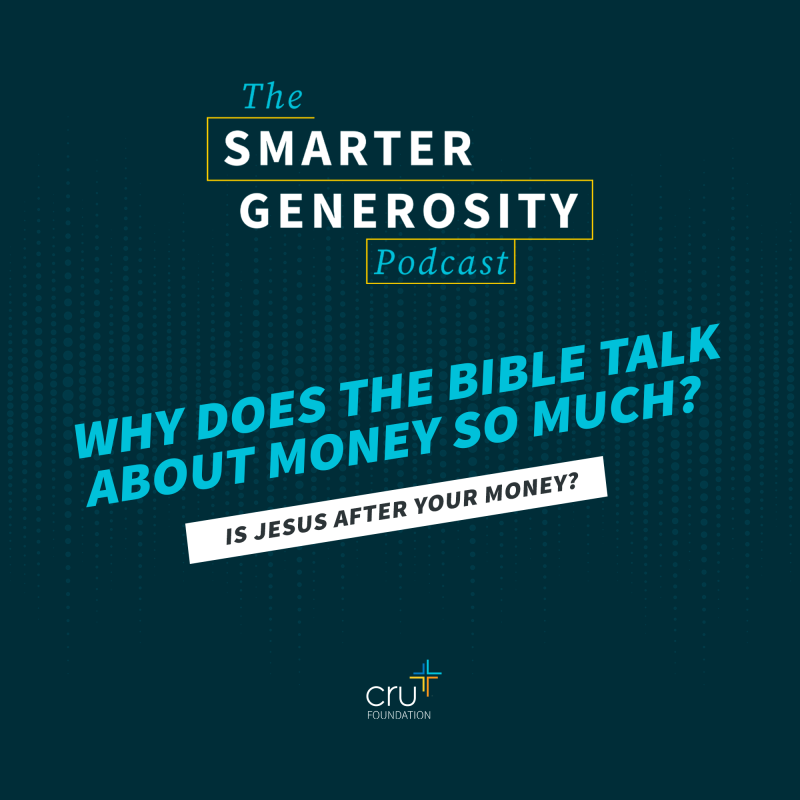


Why Does the Bible Talk About Money So Much? What Christian Estate Planning Conversations Are Really About
What Christian Estate Design Conversations Are Really About
People who have spent a lifetime building something — a business, a portfolio, a family — often arrive at estate planning conversations with more than they expected. There is the practical dimension: the structures, the vehicles, the questions about who receives what and when. But underneath the practical conversation is almost always a deeper one.
What does it all mean? What are these things actually for?
Those are not financial questions. They are the kind that can sit unanswered for years while the financial planning moves forward around them. They deserve real space, real conversation, and a guide who is not in a hurry to hand you a form. For some people, those questions surface quietly in the middle of a meeting with an attorney. For others, they have been present for years, waiting for the right moment and the right person to ask them.
We have been in a lot of those rooms at Cru Foundation. And over time, we have noticed something about the people who navigate them most freely.
Table of Contents
What the Most Generous Donors Understand About Biblical Stewardship
The ministry partners who move through gift planning and estate conversations with the most clarity are not necessarily the ones who understand the financial structures best. They are the ones who have, somewhere along the way, arrived at a settled answer to a foundational question: who does this belong to?
Donors who have settled that question handle money and possessions differently. They plan differently. They give differently. They are not indifferent to financial wisdom or family provision — in fact, they tend to think about those things more carefully, not less. But the weight they carry into these conversations is different. There is an openness rather than anxiety, a generosity of imagination rather than a guardedness about what they might be asked to give up.
This heart work happens between a person and God. But we have learned that creating space for that question to surface, gently and without pressure or predetermined direction, tends to change what becomes possible in a conversation about legacy.
What Jesus Noticed About the Rich Young Ruler
There is a passage in Matthew that is easy to read as a warning about works righteousness. A young man asks Jesus what he must do to inherit eternal life. Jesus reviews the commandments. The young man says he has kept them all. And then Jesus says: go, sell what you have, give it to the poor, and come follow me. The young man walks away sad.
What is easy to miss is the detail Matthew includes right before he leaves. Jesus looks at him and loves him.
This is not a story about rich people being evil. It is a story about Jesus seeing something in this particular person — the way his possessions had quietly become the thing organizing his sense of security and identity — and offering him a way out. Not as judgment but as an invitation. The young man didnot receive it. But the invitation was genuine and it came from love.
That invisible weight is not unique to the first century. For many donors who have accumulated significant resources, there is a quiet burden that comes with managing, protecting, and making decisions about what they have built. It can look like security from the outside while feeling like pressure from the inside. Jesus keeps returning to money because he is interested in our freedom. He sees what attachment does to us, and he offers a different way of relating to our stuff.
Where Treasure Goes, Heart Follows: The Formation of Biblical Giving
Most people encounter Luke 12:34 as motivational language: get your heart right, and your giving will follow. But Jesus points out that the relationship between heart and treasure is bi-directional.
“Where your treasure is, there your heart will be also.” Jesus is describing inner formation. Where you put your treasure shapes who you become. Biblical giving is an expression of what you already believe and it forms what you believe.
Decisions about who will receive your wealth are critical. Those choices are more powerful formative acts than routine decisions about your income. Your highest values are embedded in those bigger decisions. They shape your heirs, your community, and are a reflection of your relationship with God.
We have seen this play out in real conversations. There is a clarity and a lightness that comes from aligning wealth with deepest convictions. People describe it differently — some say it feels like relief, others like peace.
The Posture That Changes Christian Estate Design
At its best, biblical estate planning is not primarily about tax efficiency or asset protection — though both of those things matter and deserve careful attention. It is about the question underneath: given who I am and what I steward, what does faithfulness look like?
When that question is genuinely engaged, the practical conversation tends to be more generous, more creative, and less anxious than conversations that begin with the technical. Tools like donor-advised funds, charitable gift annuities, and charitable remainder trusts become fulfilling expressions of love and wisdom, rather than transactional products.
A Cru Foundation specialist can help you understand which tools fit your circumstances once the spiritual foundation has been laid.
What Donor Conversations Have Taught Us to Ask
The questions that open the most meaningful dialogue are rarely about tools and techniques. Better questions might be “What story do you want to write with your resources? What would it feel like to know your estate plan was fully aligned with God’s desires for you? What would you want future generations to understand about the Lord and His love for your children and grandchildren?”
These are not leading questions with predetermined answers. They are meant to open the heart and engage the imagination with a trusted guide who supports you.
We consistently find that when people honestly engage these questions, the resulting decisions bring real peace. This peace is rooted in the confidence that the plan is pleasing to the Lord whatever the size of the numbers.
FAQ
Why do Christian estate planning conversations feel heavier than other financial conversations?
Because they are not primarily financial. Estate planning forces questions about what you believe, what you want to leave behind, and what your resources are actually for. Until those deeper questions have some space, the conversation about structures tends to feel burdensome. Starting with the heart dimension tends to make everything else move more freely.
What questions open the most meaningful donor legacy conversations?
The questions that open the most genuine dialogue tend to go deeper than surface planning questions. They sound more like: what do you want the story of your resources to say about what you believed? What would it mean for your estate plan to be fully aligned with your deepest convictions? These are genuine invitations to reflect, not leading questions with a predetermined destination.
What is a donor-advised fund and how does it fit into legacy planning?
A donor-advised fund allows you to contribute assets, receive a tax deduction in the year you give, and then direct grants to charitable organizations over time. In the context of planning for the future, your estate plan can flow into a donor advised fund. Your fund can then distribute in the way you have pre-determined. May donors like this because if there are any changes in where or how much you want to give charitably from your estate, you can simply update your donor-advised fund rather than paying an attorney to change your will or trust.
Does Cru Foundation offer estate planning services?
We offer an estate design service, which prepares you for estate planning. Whether you’re just embarking on the journey of estate planning and feeling uncertain about where to begin, or you already have a will or trust in place, Cru Foundation’s purpose is to provide personalized guidance, confidential feedback, invaluable insights, and charitable resources at no cost to you.
Cru Foundation staff will help you develop a personal “blueprint” to visualize your long-term financial and stewardship goals. The Gift and Estate Design process coordinates the skills of your professional service advisors with our unique expertise in charitable law, tax-advantaged giving strategies, and kingdom-minded charitable planning solutions.
What does biblical stewardship look like when it comes to estate planning?
It looks different for everyone. Ultimately, a biblical estate plan flows from the unique instructions each steward receives from the Owner. What remains consistent, however, is that faithful estate planning grows out of honest engagement with those deeper questions. The result is a plan that brings not only financial clarity but a genuine sense of peace.
How is a conversation with Cru Foundation different from working with a financial planner?
Our specialists come without a predetermined direction for your resources. We are not working on billable hours or earning commissions. We are free to help you discern how God is uniquely leading you. Once you are confident in God’s direction, we connect you with practical tools and structures that you understand and help you stay in control of the outcome.
Your Story Deserves a Thoughtful Listener
Perhaps you have lingering questions about whether your plans will accomplish God’s best for your heirs and the ministries you hold dear. If so, we would like to offer a personalized process designed to close those gaps.
We listen to you carefully to understand your heart, clarify the Lord’s leading, and empower you to carry out God’s plan for you. We have no agenda and will never tell you where to give or how much to give. Our goal is to guide you through the practical decisions that you, as God’s steward, must make. We serve you without expectation or obligation, and we would be honored to be part of your journey.
If you are thinking about your legacy, your estate, or how your resources can best serve what you care about most, we would love to hear where you are. Reach out to a Cru Foundation specialist whenever you are ready — no obligation, just a conversation.
The content on this page is for educational and informational purposes only. It does not constitute legal, tax, or financial advice. Please consult with qualified professional advisors regarding your specific situation before making any giving or planning decisions. AI tools were used as assistance in the creation of this content.